Teardrop Camper Air Conditioning: How to Keep Cool in Your Teardrop Trailer
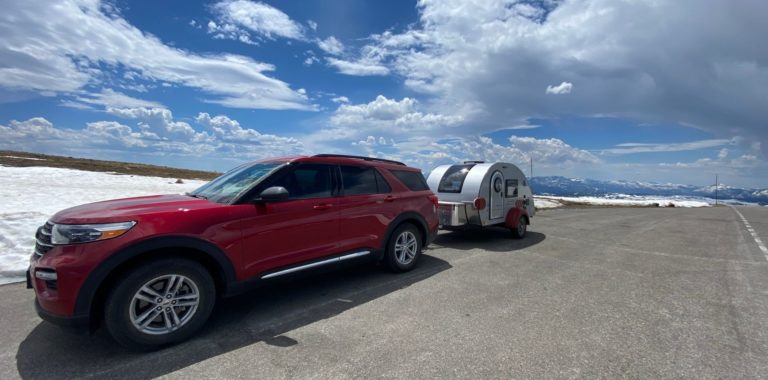
Summer camping in a teardrop trailer is incredible — but that compact, well-insulated shell that keeps you cozy in cool weather can turn into an oven on a hot afternoon. Staying cool in a teardrop requires a combination of the right equipment, smart campsite choices, and a few tricks that full-size RV campers don’t need to think about.
Here’s everything you need to know about
Quick Comparison: Cooling Options for Teardrop Campers
| Cooling Method | Best For | Power Needed | Cost |
|---|---|---|---|
| Built-in AC | Many campers have AC Built-in. | Shore power or Generator | Included with camper |
| Zero Breeze Mark 2 | Teardrops without built-in AC | Battery or shore power | ~$900 |
| Maxxair Roof Vent Fan | All teardrops | 12V / battery | ~$100–$160 |
| USB Clip Fan | Night cooling, quiet sleep | USB power bank | ~$17 |
| Reflectix Window Covers | Blocking daytime heat | None | ~$18 |
| Cooling Towels | Personal cooling | None | ~$15 |
Does Your Teardrop Trailer Have Built-in Air Conditioning?
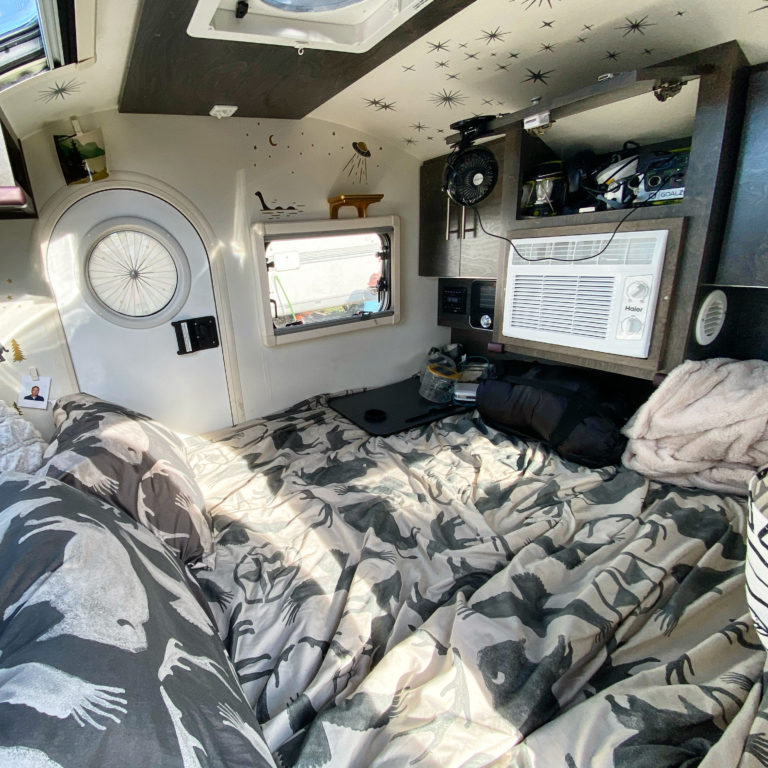
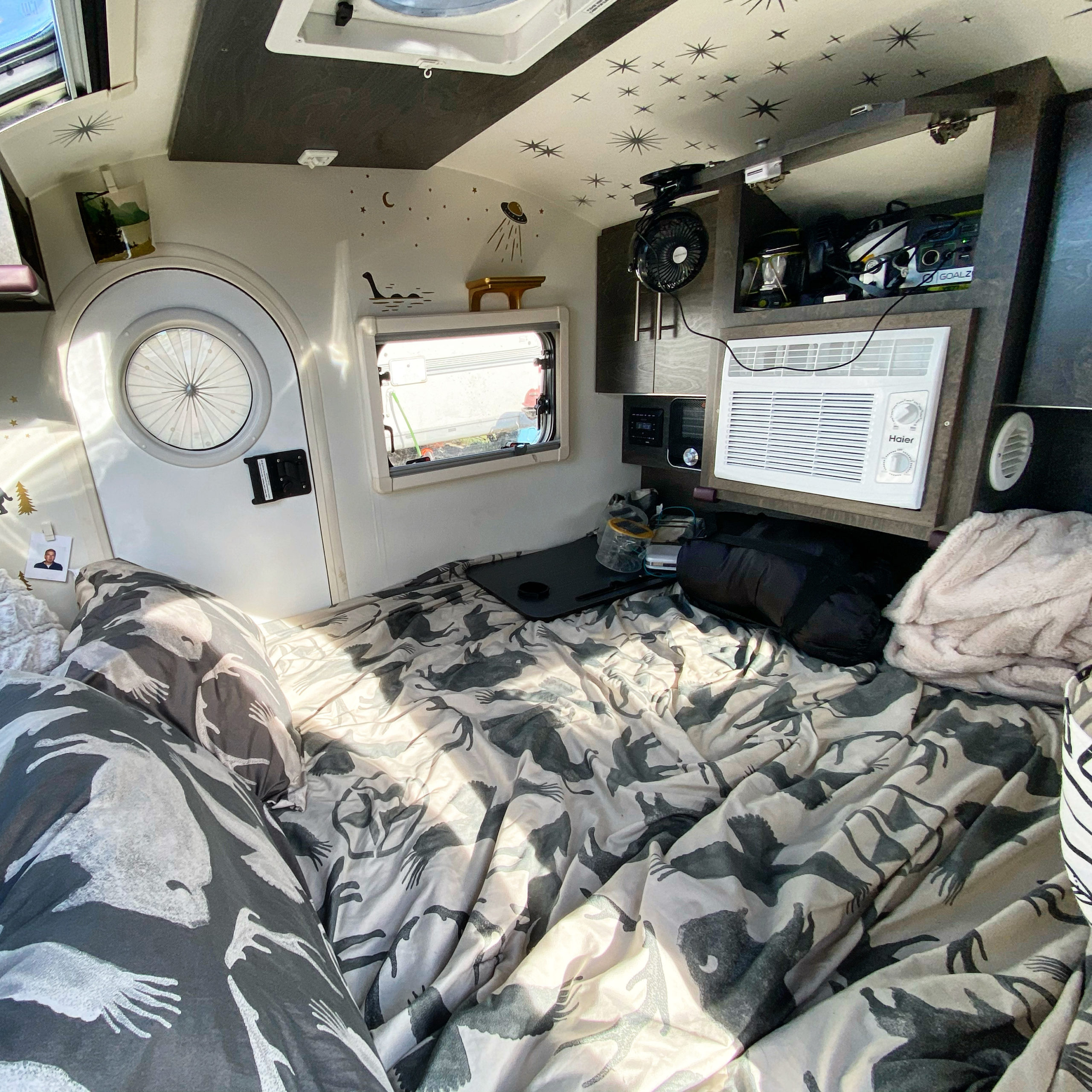
Not all teardrop trailers come with air conditioning. If having air conditioning is a priority for you, make sure you verify before purchasing — and make sure your campsite offers electric hookups or you have a generator. The A/C will. not work on battery power. Beware, many campgrounds limit the hours that you can run a generator, and some do not allow generators at all. Keep reading for ideas when you don’t have power.
What If Your Teardrop Doesn’t Have Built-In AC?
If your trailer doesn’t include a built-in unit, a portable battery-powered air conditioner is your best option. These have improved dramatically in recent years.
Zero Breeze Mark 2 — Best Portable AC for Teardrop Campers
The Zero Breeze Mark 2 is the most popular portable AC unit among teardrop and small camper owners. It’s compact enough to sit inside your trailer, runs on its own battery pack (or shore power), and puts out around 2,300 BTUs — enough to meaningfully cool a small sleeping space.
It’s not cheap (around $900), but for campers who want AC without shore power dependency, it’s the most practical solution available.


A lower priced alternative is the 3500 BTU BougeRV Portable Tent Air Conditioner:
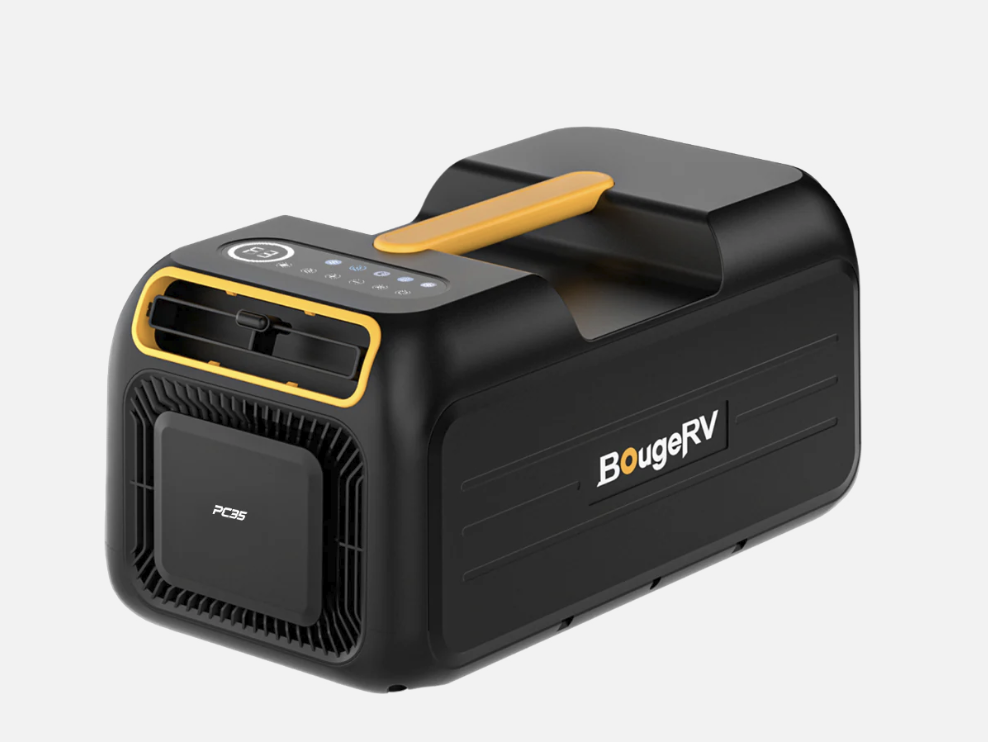
BougeRV Portable Tent Air Conditioner delivers 3500 BTU of powerful cooling, dropping temperatures by 18℉ in just 15 minutes. With 5 smart modes and whisper-quiet operation, it keeps you cool without the noise. Compact, powerful, and easy to carry, this portable air conditioner keeps your tent, RV, or camper perfectly chilled—even in the hottest weather!
Things to Know Before You Buy a Portable Unit
- Measure your trailer interior before purchasing — space is tight in a teardrop
- Consider where the exhaust hose will vent (a window or hatch opening)
- Check whether your power station has enough capacity for overnight use
Using Fans to Cool Your Teardrop Trailer
Even if you have AC, fans are your best friend in a teardrop — and they’re the primary cooling method for many teardrop campers who skip AC entirely.
Roof Vent Fan (Maxxair or Fan-Tastic)
Most teardrops come with a roof vent, and upgrading to a powered fan like a Maxxair makes a significant difference. These fans can both pull hot air out and push fresh air in, and they run quietly on 12V power — meaning they work off your trailer battery without shore power.
Pro tip: When you first open your hot trailer, set the fan to exhaust mode (blowing out) and open your side windows. It will pull the hot air out quickly and replace it with cooler outside air.

Fan and Vent Cover All in One - Powerful 10-Speed Reversible Fan with Thermostat, Built-in Rain Cover, Remote Control, Intake & Exhaust Fan, Smoke (00-07500K)
USB Clip Fan — The Quiet Sleeper
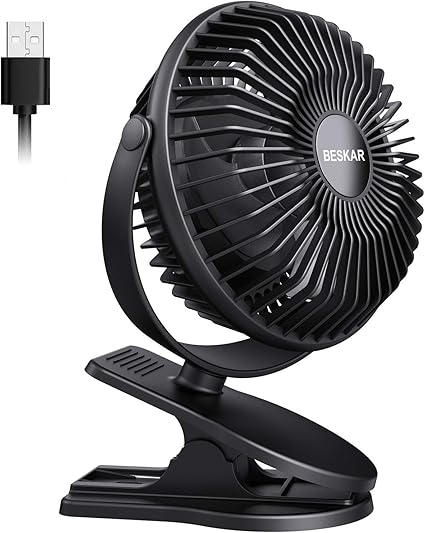
This is one of my personal favorites. I run a small USB-powered clip fan every night in my teardrop — it keeps me cool, creates white noise for sleeping, and is dramatically quieter than the overhead roof fan.
When to Open and Close Windows
Timing matters as much as equipment:
Cross-ventilation: Open windows on opposite sides of the trailer to maximize airflow
Daytime: Keep windows and shades closed to trap cool air in and block solar heat gain
Evening: Once outside temps drop below your interior temp, open windows and vents to flush in cool air
Cover Your Windows with Reflectix
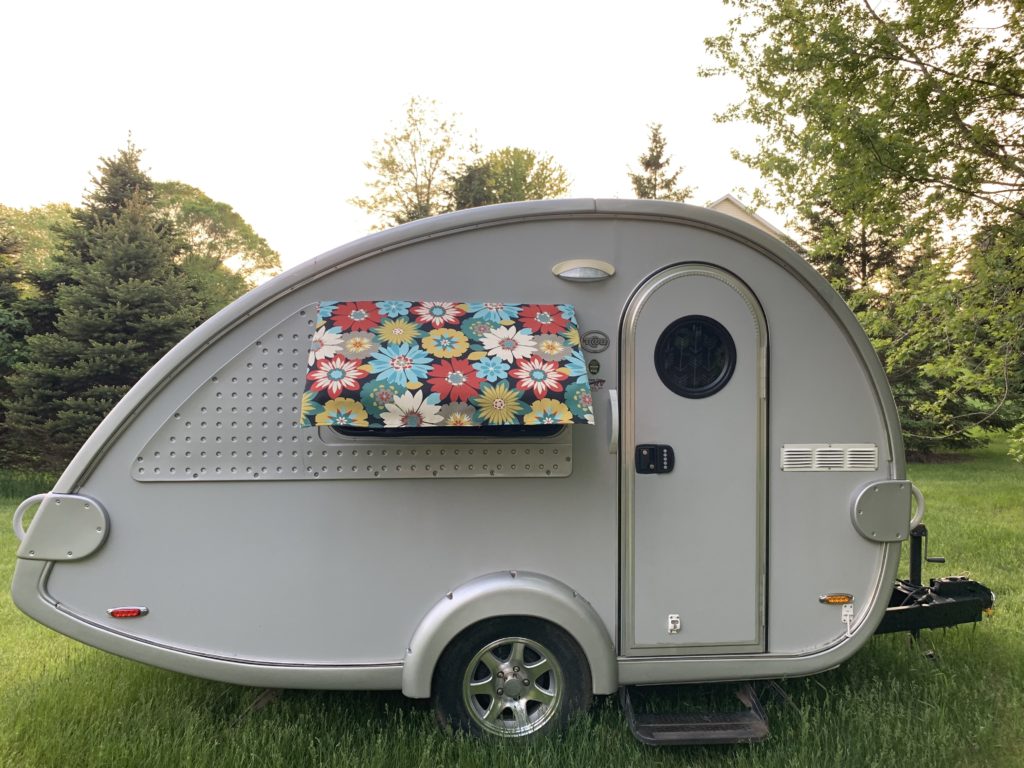
One of the most effective — and cheapest — things you can do to keep your teardrop cool is block the sun before it heats the interior. Reflectix foil insulation can be cut to fit your windows and reflects solar heat the same way a windshield sunshade works in your car.
It costs about $18 for a roll and can make a noticeable difference in interior temperature on sunny days. Many teardrop campers also use it in winter to retain heat — so it earns its place in your gear bag year-round.
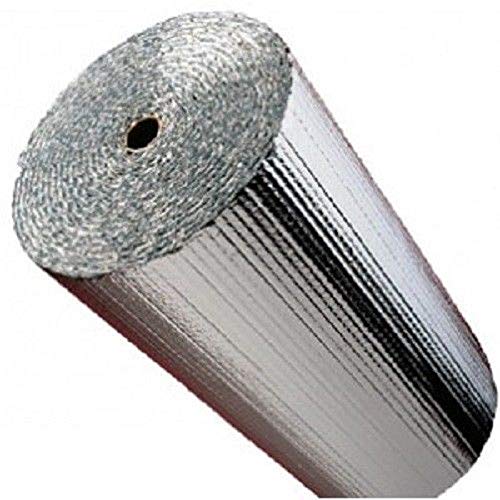
24 in. x 10 ft
Check out this article for 5 things you need to stay warm in a teardrop camper.
Park in the Shade
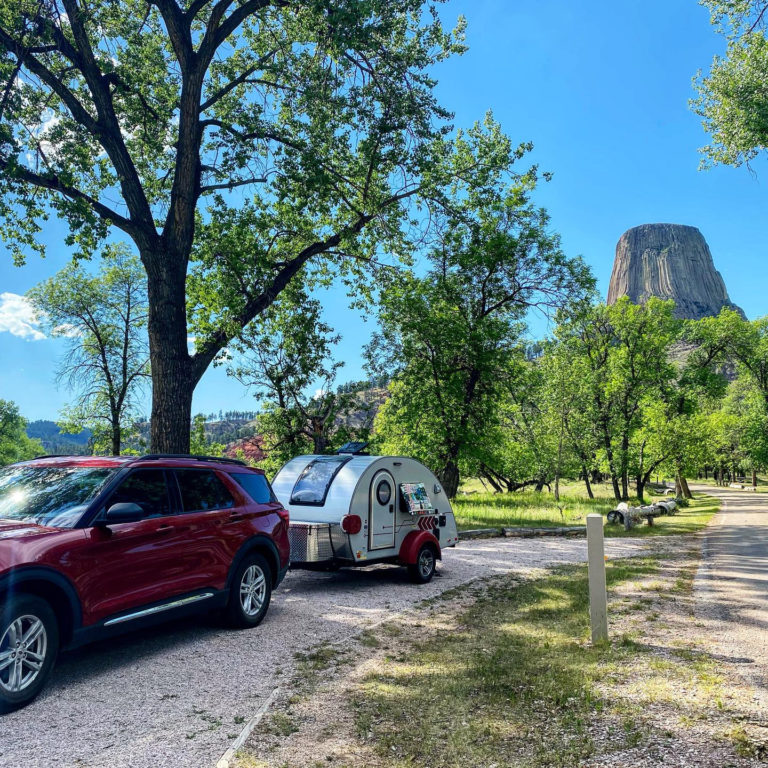
Where you park your trailer is one of the most underrated cooling strategies. A teardrop in full afternoon sun can heat up 20–30 degrees above the outside temperature. Parking under a tree canopy — or positioning your trailer so the galley hatch faces away from direct afternoon sun — can make a meaningful difference before you even turn on a fan.
A few things to keep in mind when parking in shade:
- An awning or tarp alongside your trailer can create shade even in open campsites
- Check for dead tree limbs overhead before settling in
- If you’re charging via a rooftop solar panel, shade will reduce your charging capacity
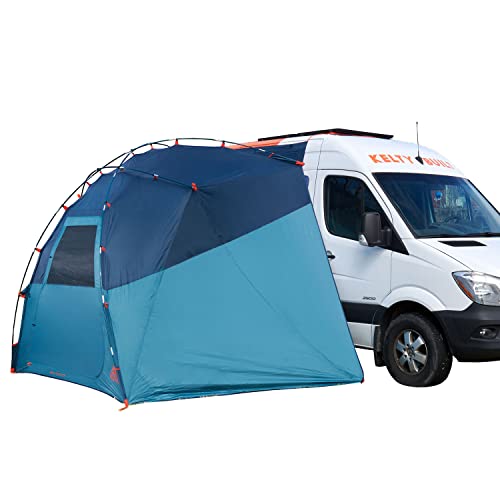
You can also consider using an awning or tarp to help provide shade outside of your camper. Check out our article on the Top 5 Tents for Teardrop Trailers. Keep in mind that any screen sided tent will often times be hotter inside, because of a lack of air flow.
Personal Cooling: Cooling Towels
When the heat is extreme, personal cooling matters as much as camper cooling. A cooling towel works through evaporation — wet it, wring it out, and drape it around your neck for instant relief. They’re compact, lightweight, and cost almost nothing.
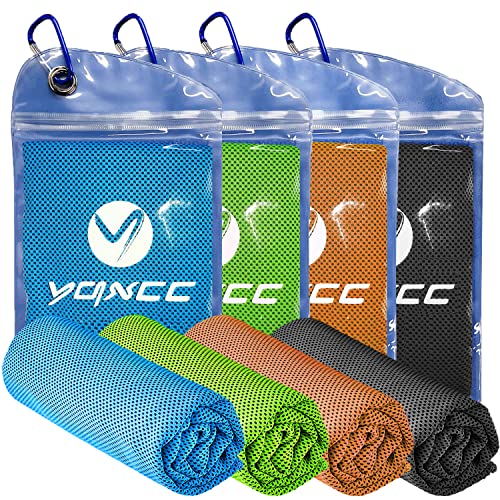
(47"x12") Ice Towel for Neck, Microfiber Cool Towel, Soft Breathable Chilly Towel for Yoga, Sports, Golf, Gym, Camping, Running, Fitness, Workout & More
Important: If it’s hot enough that you’re relying on cooling towels, make sure you’re drinking enough water. Heat exhaustion is a real risk — especially for campers over 50, where heat tolerance changes.
Bottom Line: What Cooling Setup Do You Need?
Camping on a budget? Reflectix window covers + a USB fan + smart campsite placement can get you through most summer nights comfortably.
Teardrop with A/C and shore power access? Use your A/C and add a USB fan for quiet overnight comfort.
Teardrop camping without hookups? Lean on your Maxxair fan, Reflectix covers, and campsite shade.
Teardrop without built-in AC? A Maxxair fan upgrade is your best first investment. Add a Zero Breeze Mark 2 if you camp in hot climates regularly.
Stay cool out there — and if you found this helpful, check out our companion article on 5 Things You Need to Stay Warm in a Teardrop Trailer for the other end of the temperature spectrum.